The Complete Cost Guide to Fotona Laser Treatments
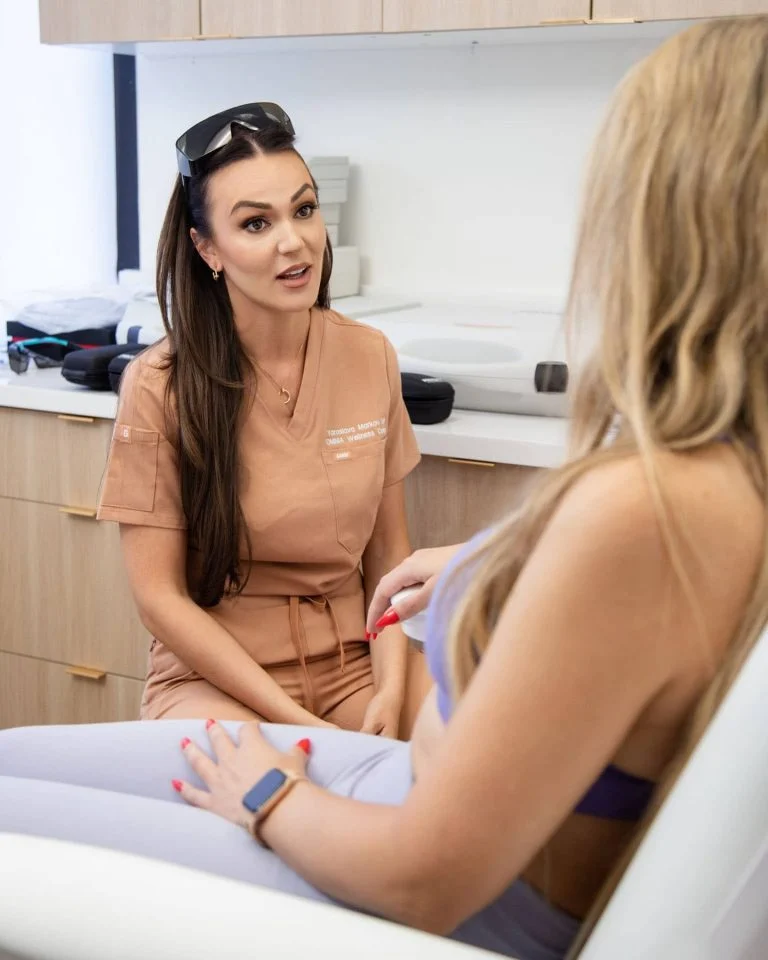
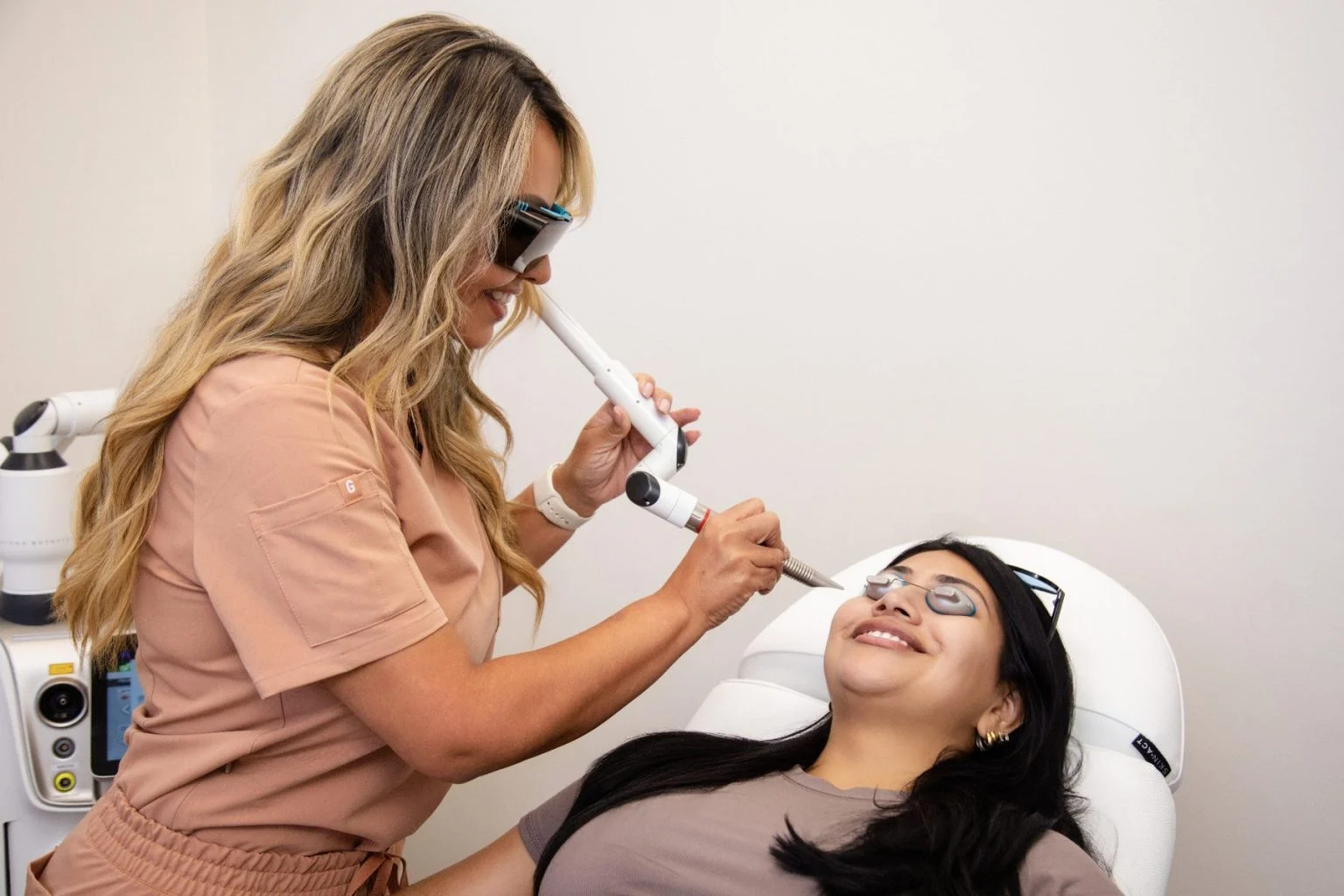
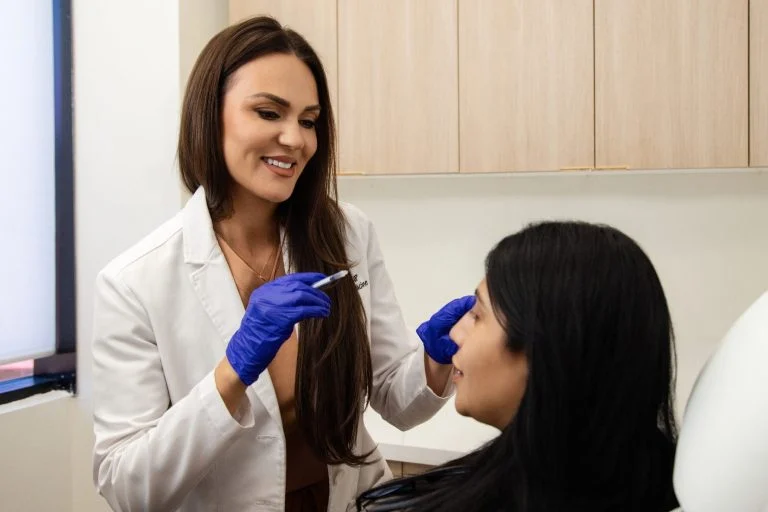
Fotona laser treatments sit in an interesting corner of aesthetic medicine. They are not one single treatment in the way patients often imagine. Fotona is a laser platform, and different providers use it for different concerns, from skin resurfacing and acne scars to vaginal rejuvenation, snoring reduction, hair restoration support, and non-surgical tightening. That distinction matters because the price conversation can go off the rails quickly if you compare one Fotona treatment menu to another without understanding what is actually being done.
I have seen this happen many times in practice settings. A patient calls three clinics, asks, “How much is Fotona?” and gets three completely different answers. One quote is for a light lunchtime tightening session, another is for a more aggressive resurfacing protocol, and the third includes a package with aftercare products and follow-up visits. None of those prices is necessarily wrong. They are often just quoting different things.
If you are trying to budget realistically, the useful question is not “What does Fotona https://chancevxib987.theburnward.com/fotona-laser-treatments-for-post-acne-skin-renewal cost?” It is “What kind of Fotona laser treatment am I considering, how many sessions will I likely need, and what exactly is included in that fee?”
Why Fotona pricing varies so much
The Fotona platform is versatile. Clinics use different handpieces, wavelengths, and protocols depending on the treatment goal. A mild collagen stimulation treatment will not be priced like a deep resurfacing session that requires numbing, longer appointment time, and more recovery planning. Experience also changes cost. So does geography. So does the business model of the practice.
A med spa in a competitive suburb may keep prices tighter to attract volume. A dermatologist or plastic surgeon in a high-rent urban market may charge more because overhead is higher and the treatment plan includes physician oversight, a more detailed skin assessment, and better complication management if something unexpected happens.
This is one of those areas where cheaper is not automatically smarter. A laser is only as good as the protocol chosen, the settings used, and the judgment behind the treatment. Two clinics can own the same machine and deliver entirely different outcomes.
What patients are usually paying for
When people think about a laser bill, they tend to focus on the machine itself. In reality, your fee often reflects much more than the energy delivered to the skin.
You are paying for evaluation, treatment design, the operator’s skill, the length of the appointment, consumables, post-treatment support, and the clinic’s ability to handle your case safely. If your skin is reactive, deeply pigmented, acne-prone, scarred, or prone to post-inflammatory hyperpigmentation, the value of experience becomes very real.
A clinic that spends time preparing the skin, adjusting settings conservatively, and following you through healing may charge more, but that higher fee can prevent a much more expensive problem later. I have seen patients chase a bargain resurfacing session only to spend months and additional money correcting prolonged redness or pigmentation changes.
Typical cost ranges for common Fotona laser treatments
Because Fotona laser treatments cover several categories, broad ranges are more honest than a single neat number. In many markets, a single Fotona session may land somewhere between a few hundred dollars and several thousand dollars, depending on the indication and intensity.
For lighter tightening or rejuvenation treatments, many clinics price per session in the lower to middle hundreds. In practical terms, that can mean roughly $500 to $1,500 per visit, sometimes a bit less in smaller markets and sometimes more in premium practices. These sessions are often marketed for collagen stimulation, texture refinement, or subtle lifting with limited downtime.
For more intensive resurfacing, scar revision, or combination protocols, the price per session can move into the higher hundreds or several thousand dollars. It is not unusual to see quotes from around $1,500 to $3,500 or more for a stronger treatment that involves deeper correction, greater provider time, and a longer healing window.
Specialty applications vary. Intimate wellness treatments, snoring reduction protocols, and hair restoration support sessions may be priced as a series rather than one-off appointments. A clinic might quote a package of three or four sessions instead of emphasizing the single-visit number. When that happens, patients sometimes think the clinic is expensive, when in fact the per-session rate is fairly standard and the package simply reflects the way the protocol is typically delivered.
These ranges are intentionally broad because the treatment labels used in marketing do not always map neatly from one office to another. One provider’s “4D rejuvenation” package may include several passes and multiple treatment modes in a single visit. Another may use the same name for a slimmer version of the protocol.
The biggest cost drivers
The first major factor is the treatment goal. Fine lines, laxity, acne scars, rosacea-related texture concerns, enlarged pores, and pigment issues all call for different levels of intervention. If the goal is modest improvement with very little downtime, pricing tends to be lower per visit, though you may need more sessions. If the goal is stronger correction in fewer sessions, each appointment is usually more expensive.
The second factor is treatment intensity. A low-downtime, collagen-focused session is a very different use of the platform than an aggressive resurfacing treatment. More intensity usually means more time in the chair, more prep, more post-care, and more risk management. That shows up in the fee.
The third factor is body area. Treating a small zone such as around the mouth can cost much less than full-face resurfacing. Add the neck, chest, or hands and the fee can climb quickly. Surface area matters in every laser practice, and it matters even more when the provider is carefully feathering edges and tailoring settings to different skin thicknesses.
The fourth factor is who performs the procedure. In some clinics, a physician performs all laser treatments. In others, an experienced nurse, physician associate, or aesthetic practitioner does the treatment under medical supervision. The fee structure often reflects that staffing model. A doctor-led treatment plan may cost more, especially in more complex cases, but patients with melasma history, darker skin tones, scar-prone skin, or prior laser complications often benefit from that higher level of oversight.
The fifth factor is where the clinic operates. Urban centers with high commercial rent, higher labor costs, and stronger demand tend to have higher prices. A treatment that costs $800 in one region might cost $1,300 in another with no meaningful difference in the machine itself.
The hidden cost of needing multiple sessions
This is the part many patients underestimate. Even when the per-session number seems manageable, the full budget may be much higher because Fotona laser treatments are often done in a series.
A patient looking at skin tightening may be told they need three sessions spaced a month apart, followed by maintenance once or twice a year. Someone treating acne scars may need three to five sessions, sometimes more if the scarring is deep or mixed. A patient chasing textural improvement and mild laxity might combine Fotona with injectables, skincare, or another energy device over time.
That does not make the treatment a poor value. It simply means the true cost is the plan, not the first appointment.
This is where good consultations make a difference. A responsible clinic should give you a realistic estimate of likely session count, expected improvement, and the maintenance rhythm. If they promise dramatic change from one mild treatment for a chronic issue, that is usually a sign to ask harder questions.
Package pricing versus pay-as-you-go
Many offices discount packages for Fotona laser treatments because the best results often come from a planned series. A single session might be priced at the clinic’s standard rate, while a three-session package brings the per-session average down. On paper, this looks attractive, and often it is.
The catch is whether the package actually suits your skin and schedule. If your response is uncertain, or if your goals may change after the first visit, a package can lock you into a protocol before you know how your skin tolerates it. On the other hand, if you are treating a straightforward concern and the clinic has clearly explained the series, package pricing can be one of the better ways to save.
I generally tell people to read the package rules more carefully than the headline discount. Ask whether sessions expire, whether the package is transferable to another area, whether missed appointments carry penalties, and what happens if you stop after one session because the treatment was more downtime than expected.
Consultation fees and pre-treatment costs
Not every price discussion starts with the procedure itself. Some practices charge for the initial consultation, especially if it is with a board-certified dermatologist or plastic surgeon. Others waive the fee if you proceed with treatment. A consultation charge can range from modest to fairly substantial depending on the provider and market. That fee is not necessarily a red flag. In a high-quality practice, a detailed consult can prevent mismatched expectations and poor treatment choices.
There may also be prep costs. Certain patients are advised to use pigment suppressors, retinoids, barrier-support products, antiviral medication, or acne control products before treatment. Those expenses can be minor or meaningful depending on the case. If you have a history of herpes simplex outbreaks and need antiviral prophylaxis before resurfacing around the mouth, that is part of the total budget whether the clinic mentions it in the headline price or not.
Aftercare can add more. Gentle cleansers, occlusive healing ointments, mineral sunscreen, and physician-dispensed skincare can push the final spend above the quoted treatment fee. Some clinics bundle these products into the package. Others leave you to purchase them separately.
What should be included in the quoted price
A clean, professional quote should spell out what you are actually buying. The best offices do this almost automatically because it avoids confusion later.
A useful quote should clarify the treatment area, whether numbing is included, whether follow-up visits are included, what aftercare is expected, and whether the price is for one session or a series. It should also state the likely range of downtime. Downtime is not a line item in the invoice, but it is absolutely a cost. Missing work, delaying social events, or dealing with several days of peeling has economic value, even if it is not captured on the receipt.
One of the more frustrating situations for patients is learning that the low advertised number covered only the laser time, not the physician evaluation, not the post-treatment products, and not the touch-up discussion later. Transparent practices prevent that.
Cheap treatments, expensive mistakes
Price shopping is reasonable. Price-only shopping is where trouble begins.
Lasers reward judgment. The machine can do a lot, but it cannot decide whether your melasma is stable, whether your recent tan changes your risk, whether your acne is controlled enough for resurfacing, or whether your expectations are realistic for one series. The operator and supervising clinician make those calls.
When I hear of a Fotona treatment priced far below the local norm, I immediately wonder what has been removed from the process. Is the session shorter? Is the protocol weaker? Is the provider less experienced? Is there no meaningful assessment? Are they using a generalized preset rather than tailoring settings to the skin in front of them? Sometimes a lower fee simply reflects a promotional strategy or a less expensive market. Sometimes it reflects corners being cut.
A bargain session that produces uneven texture, prolonged erythema, or pigment problems is not cheap in any meaningful sense. Corrective care often costs more than doing it properly the first time.
Cost by treatment goal, what people commonly see
It helps to think in categories rather than in one universal number.
For early aging changes, enlarged pores, and mild textural improvement, clinics often position Fotona as a lower-downtime collagen treatment. The cost per visit is usually more approachable, but the result is cumulative and often subtle after the first session.
For acne scars and deeper texture concerns, pricing rises because the treatment tends to be more labor-intensive and recovery is more noticeable. Improvement is possible, often meaningful, but rarely one-and-done. A patient with rolling scars, boxcar scars, and old inflammatory pigment marks may need a staged approach.
For skin tightening and non-surgical rejuvenation, providers often sell a series because collagen remodeling unfolds gradually. The upfront cost can feel steep if you compare it to a single injectable appointment, though the treatment objective is different.
For intimate wellness protocols or snoring reduction, the number of sessions is often built into the standard plan. These are common examples where package pricing becomes the practical baseline rather than an upsell.
How Fotona compares to other laser and energy-based options
Patients rarely evaluate Fotona in a vacuum. They are usually also hearing about CO2 lasers, fractional non-ablative devices, radiofrequency microneedling, intense pulsed light, or ultrasound-based tightening. Cost comparison gets complicated because these technologies are not interchangeable.
A more aggressive CO2 resurfacing treatment may offer stronger correction in a single session but can involve longer downtime and a different risk profile. A gentler non-ablative treatment may cost less per session but require more visits. Radiofrequency microneedling may be preferred for certain scar patterns or skin types. Fotona often sits in the middle of these conversations because it can be adjusted across a range of treatment intensities and indications.
The cheapest route is not always the least expensive route overall. A treatment with a higher per-session fee but fewer total sessions may end up comparable to a cheaper option repeated many times. This is where consultation quality matters more than menu pricing.
Questions worth asking before you commit
If you want a quote that means something, bring specificity into the conversation. Ask the clinic what exact Fotona protocol they recommend for your concern, how many sessions they expect, what kind of improvement is realistic, and what downtime you should plan for. Ask whether the quoted price includes follow-up, numbing, and aftercare. Ask who performs the treatment and how often they treat your particular concern.
Here are the five questions that most often separate a clear quote from a vague sales pitch:
- What exact concern is this protocol designed to treat, and why is Fotona the right choice for me?
- Is this quote for one session or the full recommended series?
- What costs are not included, such as consultation, numbing, medications, or skincare?
- Who will perform the treatment, and what is their experience with my skin type and concern?
- If I need maintenance or additional sessions, what should I budget long term?
Those questions tend to reveal very quickly whether a clinic is operating from a treatment plan or from a promotion calendar.
Financing, memberships, and whether they actually help
Many aesthetic clinics now offer financing or membership pricing. These can be useful, but they are not automatically a savings.
Financing spreads the cost out, which can make a high-ticket package more manageable. The downside is that installment plans sometimes make patients commit before they have seen how they respond to the first treatment. Memberships can lower the per-session price if you already use the practice regularly for skincare, injectables, or maintenance laser appointments. If you join only to access one treatment package, the math may not work in your favor.
Always calculate the true total, not just the monthly payment. A lower monthly number can obscure a bigger overall spend, especially if interest or membership fees are involved.
When Fotona is worth the money
The value question is personal. Fotona laser treatments are often worth the money when the indication is appropriate, the provider is experienced, and the patient understands the likely timeline. They are less worth it when someone wants surgery-level lifting from a non-surgical plan, dramatic scar revision from one light session, or zero downtime from a treatment intense enough to create visible correction.
The happiest patients are usually not the ones who found the lowest sticker price. They are the ones whose plan matched their skin, schedule, and expectations. They knew whether they were buying subtle refreshment, moderate remodeling, or a more serious resurfacing process. They also understood maintenance. Good laser results often need upkeep, especially when the target is collagen decline rather than a one-time lesion removal.
I think of one common scenario that illustrates this well. A patient in her forties wants smoother skin, softer lines around the eyes, and a fresher overall look without taking two weeks off work. A carefully chosen Fotona series may suit her beautifully. The cost may be significant, but the downtime fits her life and the improvement feels proportionate to the investment. Put the same budget toward a treatment that is too weak, too strong, or poorly timed before a major event, and the experience can feel disappointing even if the clinic technically delivered what was purchased.
How to budget realistically
If you are seriously considering Fotona laser treatments, budget for the whole arc of care. That means the consult, the likely series, the downtime, the aftercare, and the maintenance. Think in annual cost rather than single-visit cost. A treatment that seems expensive at first can be perfectly reasonable if it addresses your priority concern well and reduces the need for less effective trial-and-error spending.
A practical budgeting approach looks like this:
- Identify your primary concern, not five goals at once.
- Get a written quote that breaks down session count and inclusions.
- Ask what result is realistic at that budget level.
- Add aftercare, skincare, and possible maintenance to your estimate.
- Compare value across providers, not just the headline number.
That kind of clarity turns a confusing market into a much simpler decision.
The bottom line on pricing
The cost of Fotona laser treatments is not one number because the treatment itself is not one thing. Most patients will encounter prices ranging from the mid-hundreds to several thousand dollars, shaped by the indication, intensity, treatment area, provider expertise, location, and number of sessions required. What matters most is not finding the cheapest quote. It is understanding what the quote includes, what result it is designed to achieve, and whether the plan makes sense for your skin and your life.
A well-priced treatment is not merely affordable. It is appropriate, transparent, and carried out by someone who knows when to treat, when to hold back, and how to guide you through the process. That is where real value lives.
OMNIA Wellness Center
Address: 16430 Ventura Blvd Ste 207, Encino, CA 91436
Phone number: +18183868511
FAQ About Fotona Laser Treatments
What is a Fotona laser good for?
A Fotona Laser system is a versatile, dual-wavelength medical laser used primarily for non-surgical skin tightening, anti-aging rejuvenation, and dermatological treatments.
How much does the Fotona laser cost?
The cost of a Fotona laser depends heavily on whether you are looking to purchase a laser machine for a medical practice or are a patient seeking a laser treatment at a medspa.
Is a Fotona laser worth it?
A Fotona laser treatment is generally worth it if you want non-surgical skin tightening, improved texture, and collagen stimulation with very little downtime.