What Patients Love Most About Fotona Laser Treatments
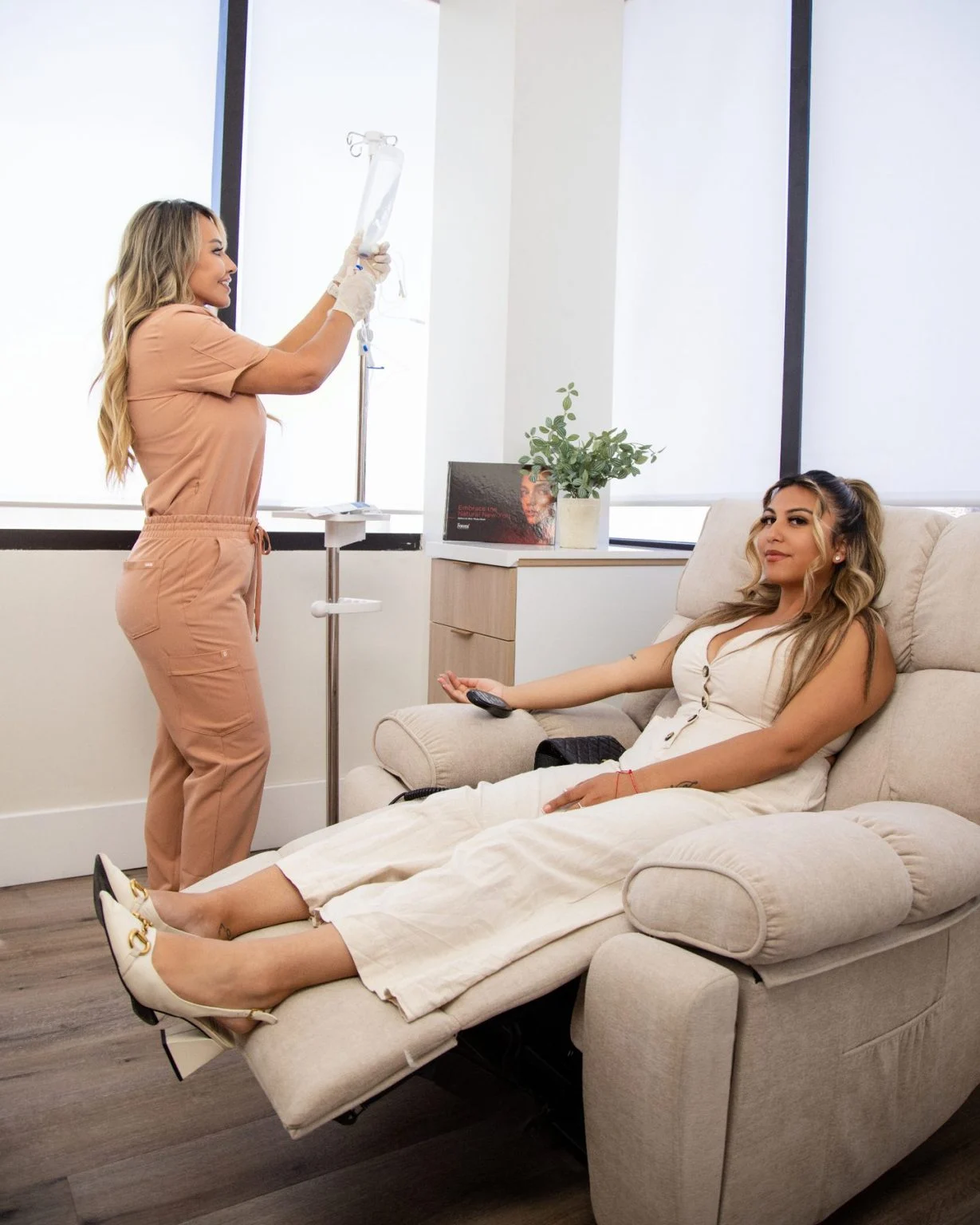
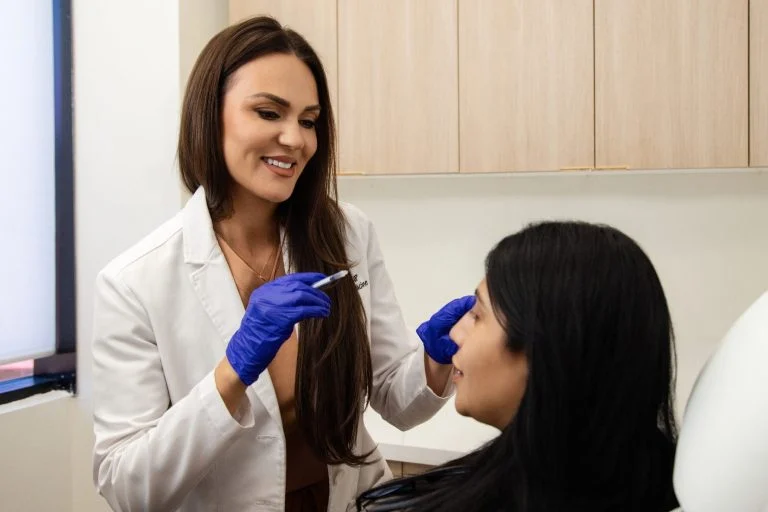
Ask enough patients why they chose laser treatment in the first place, and a pattern emerges quickly. Most are not chasing a dramatic, overnight transformation. They want improvement that feels believable. They want skin that looks fresher, tighter, clearer, or healthier without taking weeks off work or explaining obvious signs of treatment to everyone around them. That is where Fotona Laser Treatments have earned unusual loyalty.
Patients tend to describe the experience in practical terms rather than flashy ones. They talk about being able to return to normal life quickly. They mention that their results developed in a way that looked natural. They appreciate that the same platform can address very different concerns, from texture and pigmentation to acne scarring, redness, fine lines, laxity, and intimate wellness concerns. For many, the attraction is not one single feature. It is the overall balance between effectiveness, comfort, flexibility, and trust.
That balance matters more than ever because aesthetic patients are often well informed. They ask better questions than they did ten years ago. They want to know what the downtime will really look like, not just what a brochure says. They want to understand whether a treatment will suit their skin type, their schedule, their pain tolerance, and their budget. The popularity of Fotona is tied, in large part, to how well it fits those real-world concerns.
The appeal starts with versatility
One of the most common reasons patients warm to Fotona is simple: it can treat more than one issue without forcing them into a different device for every concern. That sounds like a technical detail, but from a patient’s perspective it changes the whole experience.
Someone may arrive bothered by early jowling and under-eye crepiness, then mention acne scars that have bothered them since their twenties. Another person might book for pore size and uneven tone, only to ask whether anything can be done about fine lines around the mouth. A highly versatile laser platform makes those conversations far more productive. Instead of hearing, “That’s not the right device for that,” patients can often hear, “Yes, we can treat that, but we may use a different mode, energy setting, or treatment plan.”
Patients love that kind of adaptability because it feels personalized rather than transactional. They are not being fit into a rigid menu. The treatment can be adjusted to the skin in front of the practitioner, including skin thickness, sensitivity, degree of sun damage, and recovery tolerance.
This versatility also helps people who prefer gradual improvement. They may not want an aggressive resurfacing treatment in one go. They may choose a series of lighter sessions that build collagen, refine texture, and improve tone over time. That flexibility often creates stronger long-term satisfaction than a one-size-fits-all approach.
Many patients are pleasantly surprised by the downtime
Downtime is one of the biggest deal-breakers in aesthetics. Plenty of patients are open to doing something for their skin, but very few want to disappear for two weeks. This is one of the strongest reasons Fotona Laser Treatments generate word-of-mouth referrals.
Not every Fotona treatment has the same recovery profile. Some are very light, with redness that settles within hours or a day. Others, especially more intensive resurfacing sessions, can involve several days of visible recovery. What patients appreciate is the range. They can often choose a treatment intensity that aligns with their calendar, whether they have a wedding in ten days, a board presentation on Monday, or school runs every morning.
A patient in her forties once described this perfectly after a non-ablative tightening session. She said, “I looked a bit flushed that afternoon, but by the next day I just looked well rested.” That is exactly the kind of outcome that keeps patients coming back. They are not only paying for the treatment itself. They are paying for the ability to fit treatment into an ordinary life.
Downtime also feels more manageable when expectations are clear. Patients tend to report a more positive experience when they know in advance whether to expect warmth, swelling, dryness, bronzing, or peeling. A well-run practice frames recovery honestly. That honesty tends to deepen trust, and trust has a lot to do with why patients speak so positively about these treatments afterward.
The results usually read as natural, not “done”
Natural-looking improvement is one of the most valued outcomes in modern aesthetic medicine. Patients rarely say they want to look different. They usually say they want to look like themselves, just less tired, less lined, less dull, or less marked by acne and sun damage.
Fotona has become closely associated with that kind of result because many of its best-loved applications rely on collagen remodeling, controlled thermal stimulation, and gradual tissue response rather than creating an instantly obvious change. Patients often notice that their skin looks smoother, firmer, brighter, or more even over the following weeks and months. Friends may comment that they look refreshed without being able to pinpoint why.
That subtlety matters. It lowers the social risk. Patients do not have to manage unwanted attention or field intrusive questions at work. They can tell people they changed their skincare, slept more, or finally took a holiday if they prefer. For a large segment of aesthetic patients, discretion is part of the value.
Natural results also tend to age better. Treatments that improve skin quality can support a more coherent appearance over time because they work with the skin rather than masking it. That is especially appealing to patients in their thirties and forties who want to stay ahead of decline without looking overtreated.
Comfort matters more than clinics sometimes realize
Patients may prioritize results when they book, but their memory of a treatment is shaped just as much by how it felt. Discomfort is subjective, and there is no honest way to say any laser treatment feels identical for everyone. Even so, many patients report that Fotona sessions are more tolerable than they feared.
Part of that comes down to treatment design and practitioner technique. Part of it comes down to the fact that not all effective treatments require aggressive ablation. Some Fotona protocols create a sensation often described as heat, prickling, or a warm snapping feeling rather than severe pain. Topical numbing may be used depending on the procedure, and careful settings can make a substantial difference.
The emotional side of comfort matters too. Patients cope better when they understand what is happening moment by moment. A practitioner who says, “You’ll feel a little burst of heat here around the upper lip,” is often doing as much for comfort as any topical anesthetic. Predictability calms people.
There is also a cumulative effect. When a patient has one manageable session, they are much more willing to commit to the next. Since many skin concerns improve best in a series, that positive first experience is not a small detail. It often determines whether someone follows through and sees the full benefit.
Patients like seeing improvement in skin quality, not just one isolated issue
One reason patients talk about loving these treatments is that the payoff often goes beyond the concern that first brought them in. Someone who initially wanted help with fine lines may also notice better texture. A patient treating acne scars may find that pores look tighter and skin tone appears more even. Another may come for lifting and notice a healthier glow that makeup sits better on.
This broader improvement in skin quality is powerful because it changes how patients feel every day. They are not only looking at one wrinkle and judging whether it softened by 20 percent. They are washing their face in normal bathroom light and noticing that their skin looks calmer, smoother, and more resilient overall.
Those are the results patients mention months later. Not just, “My lines improved,” but, “My skin behaves better now,” or, “I don’t feel like I have to wear as much foundation.” That kind of functional satisfaction often matters more than before-and-after photography.
It also helps explain why repeat treatment rates are strong. When patients feel a treatment improves the way their skin functions and reflects light, not just the way one feature measures on paper, they tend to see value in maintenance.
It works well for people who do not want injectables, surgery, or both
Aesthetic medicine is not divided into camps as neatly as social media suggests. Plenty of patients use both lasers and injectables. Plenty do not. One of the strengths of Fotona is that it appeals to patients across that spectrum.
For the patient who wants no injectables at all, laser treatment can feel like a more comfortable philosophical fit. They may be open to stimulating their own collagen and improving skin quality but uninterested in adding volume or relaxing muscle movement. Fotona offers a path that feels active but still conservative.
For the patient who is not ready for surgery, laser treatments may occupy an appealing middle ground. They understand that a laser will not replicate a facelift, and responsible practitioners say that clearly. Still, for early laxity, crepey texture, periocular aging, and general skin decline, the improvement can be meaningful enough to delay more invasive choices.
For patients who do use injectables, Fotona can complement rather than replace them. This matters because a face can look smoother from neuromodulators or fuller from filler while still showing rough texture, diffuse redness, enlarged pores, or sun damage. Patients appreciate treatment plans that address the surface and the structure, not one at the expense of the other.
The treatment can be tailored with unusual precision
Patients may not know the technical language of pulse duration, wavelength, or tissue interaction, but they absolutely recognize when a treatment feels tailored. They can tell when the practitioner is adjusting the approach based on their skin response rather than running the same protocol on everyone.
That customization is one of the quieter reasons patients become enthusiastic advocates. It is especially relevant for concerns that do not present uniformly. Acne scarring can range from shallow rolling scars to deeper boxcar scars. Pigmentation may sit alongside sensitivity or rosacea. Early eyelid crepiness requires a different touch than thicker cheek skin.
With Fotona Laser Treatments, personalization can show up in several ways, including the choice of treatment mode, intensity, session spacing, and whether the plan emphasizes tightening, resurfacing, pigment improvement, vascular reduction, or a combination over time. Patients often describe this as feeling “seen,” which is a telling word. They are responding not just to the machine, but to the clinical judgment behind its use.
That matters especially for those who have had underwhelming experiences elsewhere. Many have tried facials, peels, or low-energy devices that felt pleasant but did not move the needle. When they encounter a treatment plan built around their skin rather than a generic package, satisfaction tends to rise sharply.
The confidence boost is real because it shows up in ordinary moments
The best aesthetic treatments often improve the least glamorous moments. Not the heavily edited selfie, but the elevator mirror. The video call camera. The makeup-free school drop-off. The harsh changing-room light. Patients love Fotona because the benefit often becomes visible in exactly those situations.
A person with longstanding acne scarring may stop angling their face away during conversation. Someone dealing with diffuse redness may feel comfortable going out without foundation. A patient treated for textural crepiness around the eyes may realize they no longer dread concealer settling into fine lines by lunchtime.
Those changes sound small until you watch how much space they free up mentally. Confidence is not always a dramatic surge. More often, it is the absence of preoccupation. Patients think less about their skin because their skin bothers them less.
That is one reason why seemingly moderate improvements can still produce very high satisfaction. A 25 to 40 percent visible improvement in a scar pattern, for example, may be life-changing if that issue has shaped someone’s self-consciousness for years. Patients do not judge outcomes in abstract percentages. They judge them by whether daily life https://andyttny606.cavandoragh.org/fotona-laser-treatments-for-minimalist-beauty-routines feels easier.
The treatments often fit modern schedules
Convenience is not a superficial benefit. It affects whether people seek care at all. Patients often love Fotona because it can be integrated into the rhythm of ordinary life more easily than they expected.
A lighter rejuvenation session might fit into a lunch break or an afternoon off. Even when several treatments are needed, the spacing can be manageable. People can plan around work trips, family events, or seasonal sun exposure. That practicality expands access for patients who might otherwise postpone treatment indefinitely.
It is also worth noting that maintenance feels more realistic when the initial experience was not disruptive. If a patient can see benefit from a course of treatments and then return periodically for upkeep without major interruption, the treatment becomes part of a sustainable routine rather than a major ordeal.
This is especially relevant for patients balancing aesthetic goals with caregiving, demanding jobs, or public-facing professions. They want results, but they also want predictability. Fotona tends to score well there when treatment planning is done properly.
Word-of-mouth tends to be stronger when expectations are well managed
Patients are happiest when the promise matches the reality. That sounds obvious, but it is one of the biggest determinants of whether they describe a treatment as worth it.
The patients who love their results most are often those who heard balanced, honest guidance at the start. They were told that collagen remodeling takes time. They understood that scars usually soften rather than disappear. They knew that pigment may respond differently depending on depth and sun habits. They heard that multiple sessions may be the sensible route. When improvement then unfolds as predicted, trust deepens.
A responsible consultation usually covers a few essentials:
- what concern is realistically treatable
- how many sessions may be needed
- what recovery may look like for that specific protocol
- when results are likely to appear
- what maintenance, if any, is sensible
That level of clarity protects patients from disappointment and helps them recognize success when it arrives. It also explains why some of the most enthusiastic reviews come not from miracle-seekers, but from well-informed, pragmatic patients.
Not every patient is the right candidate, and that honesty builds loyalty
One of the paradoxes in aesthetics is that selective practices often create the happiest patients. People respect being told when a treatment is not ideal for them.
Fotona is highly useful, but it is not magic and it is not universally appropriate in every scenario. Patients with significant skin laxity may eventually need surgery for the degree of lift they want. Those with very active melasma, highly reactive skin, certain medical contraindications, or unrealistic expectations may need a different plan or careful postponement. Some concerns are best approached with a combination of methods rather than one device alone.
Patients love a clinic more, not less, when those distinctions are made clearly. It signals judgment. It suggests the practitioner is prioritizing outcomes over sales. Ironically, that kind of restraint often strengthens demand because patients feel safe.
In practice, the best experiences tend to come from proper matching. The right patient, the right concern, the right protocol, and the right timeline. When those pieces line up, satisfaction with Fotona can be remarkably high.
Why loyalty runs deep after the first good result
A patient may book out of curiosity, but they usually return because of trust. Once someone sees that their skin responded well, their recovery matched what they were told, and their improvement looked natural, the relationship changes. The treatment is no longer a gamble. It becomes part of a broader care strategy.
That is why repeat patients often start conservatively and then broaden their goals. A person who first treated sun damage may later address perioral lines. Someone who came in for tightening may decide to refine scar texture too. Success creates openness.
There is also the simple fact that skin aging and environmental damage are ongoing processes. Patients do not necessarily expect one treatment course to solve everything forever. What they want is a reliable option they feel good about revisiting. Fotona has earned a strong reputation in that role because the experience often aligns with what modern patients value most: visible change, manageable downtime, customization, and results that still look like them.
Ultimately, what patients love most about Fotona Laser Treatments is not hype or novelty. It is the feeling that they can improve their skin in a way that is effective, sensible, and compatible with real life. For many people, that combination is far more compelling than anything flashy. It is what turns a treatment into a recommendation.
OMNIA Wellness Center
Address: 16430 Ventura Blvd Ste 207, Encino, CA 91436
Phone number: +18183868511
FAQ About Fotona Laser Treatments
What is a Fotona laser good for?
A Fotona Laser system is a versatile, dual-wavelength medical laser used primarily for non-surgical skin tightening, anti-aging rejuvenation, and dermatological treatments.
How much does the Fotona laser cost?
The cost of a Fotona laser depends heavily on whether you are looking to purchase a laser machine for a medical practice or are a patient seeking a laser treatment at a medspa.
Is a Fotona laser worth it?
A Fotona laser treatment is generally worth it if you want non-surgical skin tightening, improved texture, and collagen stimulation with very little downtime.